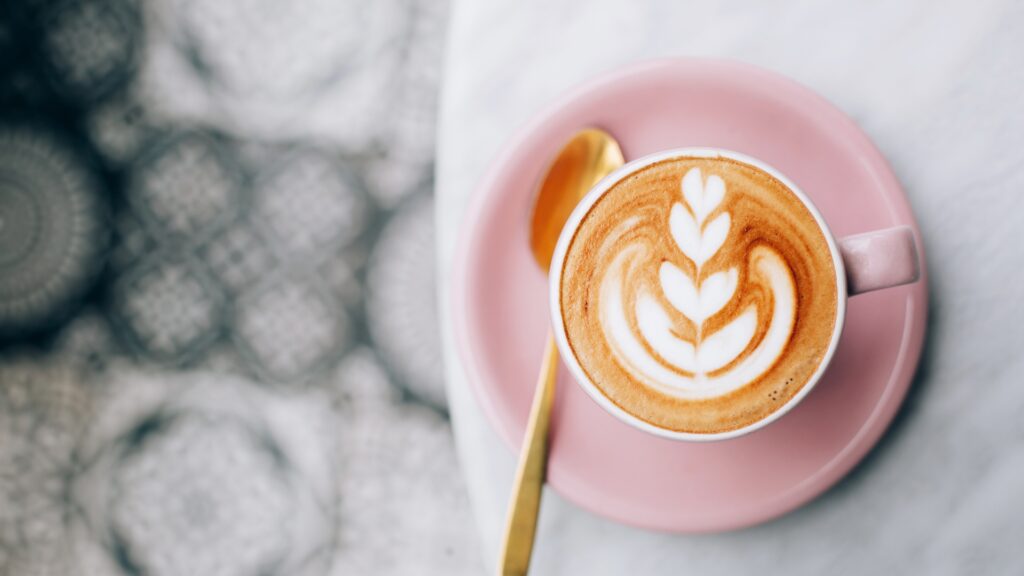
- Wonderful textures and shinywild elevate modern interior design choices
- The Allure of Textured Surfaces
- The Role of Metallic Accents
- Understanding the Spectrum of Sheen
- Layering Textures for Maximum Impact
- The Impact of Light on Textural Perception
- Optimizing Natural Light
- Beyond Aesthetics: The Functional Benefits
- The Future of Texture: Innovations and Trends
Wonderful textures and shinywild elevate modern interior design choices
The pursuit of aesthetically pleasing and functionally innovative interior design is a constant evolution, driven by emerging trends and a desire for spaces that reflect personality and style. A key element gaining significant traction in this arena is the incorporation of texture, particularly those that introduce a subtle shimmer and visual depth. This is where the concept of textures like shinywild come into play, offering designers and homeowners the opportunity to elevate their spaces beyond the conventional. The nuance lies in finding the right balance; too much can appear ostentatious, while too little may go unnoticed, failing to achieve the desired impact.
Modern interior design is increasingly focused on creating experiences, not just rooms. This means considering how light interacts with surfaces, how different materials complement each other, and how the overall environment affects mood and well-being. The use of materials that catch and reflect light, creating a sense of movement and dynamism, aligns perfectly with this experiential approach. It’s about layering different textures – smooth, rough, matte, and those with a subtle sheen – to create depth and visual interest. Careful consideration of color palettes is also paramount, helping to either enhance or temper the reflective qualities of these materials. The goal is a harmonious blend that feels both luxurious and inviting.
The Allure of Textured Surfaces
The human eye is naturally drawn to texture. It's one of the fundamental elements that allows us to perceive and understand the world around us. In interior design, texture adds depth, dimension, and visual interest, preventing spaces from feeling flat or sterile. Beyond aesthetics, texture also impacts how we feel in a space – a rough, natural texture might evoke a sense of grounding and warmth, while a smooth, polished surface might feel more sophisticated and refined. The rise in popularity of tactile materials isn't just a visual trend; it’s a reflection of our innate desire to connect with our environment on a sensory level. Designers are increasingly focusing on creating spaces that engage multiple senses, and texture is a critical component of this approach.
Incorporating varying textures can be achieved through a variety of materials, from natural stone and wood to fabrics and wallpapers. The key is to create a cohesive scheme that feels balanced and intentional. Mixing different textures, such as a velvet sofa against a rustic wooden floor, can create a striking contrast that draws the eye. Layering textures – using multiple throws, cushions, and rugs – can add depth and warmth to a room. Furthermore, the light source plays a significant role. Natural light will highlight the natural textures of materials, while artificial light can be used to create dramatic effects and emphasize specific features. Consider how different lighting scenarios will affect the perception of texture throughout the day.
The Role of Metallic Accents
Metallic accents, when used judiciously, can introduce a subtle shimmer that elevates a space without overwhelming it. This isn’t about ostentatious displays of gold or silver, but rather about strategically placed elements that catch the light and add a touch of glamour. Think brushed brass hardware on cabinetry, a delicate silver frame around a mirror, or a copper accent wall. The key is to choose metals that complement the overall color scheme and style of the room. Warm metals like brass and copper pair well with warm tones, while cooler metals like silver and chrome work best with cooler palettes. The finish of the metal is also important – a polished finish will reflect more light, while a matte finish will offer a more subtle sheen.
| Material | Texture Description | Light Reflection | Application |
|---|---|---|---|
| Velvet | Soft, plush, and luxurious | Low to moderate, depending on pile | Upholstery, curtains, cushions |
| Natural Stone (Marble) | Smooth, cool, and polished | High, reflective | Flooring, countertops, accent walls |
| Wood (Oak) | Grainy, warm, and natural | Moderate, with varying sheen based on finish | Flooring, furniture, wall paneling |
| Metallic Paint | Subtle shimmer, available in various finishes | Moderate to high, depending on pigment and finish | Accent walls, furniture, decorative elements |
The thoughtful integration of metallic accents can truly transform a space, lending it an air of sophistication and refinement. It's about harnessing the power of light and reflection to create a visually captivating environment. Don't be afraid to experiment with different metals and finishes, but always consider the overall balance of the room and ensure that the accents complement, rather than compete with, the other elements.
Understanding the Spectrum of Sheen
When discussing textures and creating visual depth, it's crucial to understand the spectrum of sheen – the level of light reflected by a surface. This ranges from completely matte (no reflection) to highly glossy (maximum reflection). Matte surfaces absorb light, creating a soft, muted appearance, while glossy surfaces reflect light, creating a bright, vibrant look. The choice of sheen will significantly impact the overall mood and feel of a space. For example, a matte finish on walls can create a calming and serene atmosphere, while a glossy finish on a kitchen backsplash can add a touch of glamour and make the space feel more expansive. Understanding how different sheens interact with light is fundamental to successful interior design.
Furthermore, the type of light source will also affect how sheen is perceived. Natural light tends to emphasize the textures and colors of surfaces, while artificial light can create different effects depending on the color temperature and intensity. Warm light will enhance warm colors and create a cozy atmosphere, while cool light will emphasize cool colors and create a more modern, minimalist look. It’s important to consider both natural and artificial lighting when choosing the appropriate sheen for different surfaces. A general rule of thumb is to use a mix of sheens to create visual interest and prevent a space from feeling monotonous. Too much of one sheen can be overwhelming, while a balanced approach will create a more harmonious and inviting environment.
Layering Textures for Maximum Impact
The art of interior design often lies in the skillful layering of textures. This isn't about simply combining different materials, but rather about creating a cohesive scheme that feels balanced and intentional. Start with a neutral base – think walls painted in a soft, muted color – and then gradually add layers of texture through furniture, fabrics, and accessories. For example, a linen sofa can be paired with velvet cushions, a knitted throw, and a woven rug. The key is to choose textures that complement each other and create a sense of visual harmony. Consider the scale of the textures as well – mixing large-scale patterns with smaller-scale textures can add depth and interest.
- Introduce varied materials: wood, metal, glass, fabric, stone.
- Play with different finishes: matte, gloss, satin, textured.
- Utilize pattern: geometric, floral, abstract, organic.
- Consider the light: how it interacts with each texture.
- Don't be afraid to experiment: mix and match until you find the perfect balance.
Experimenting with layering textures is an excellent way to add personality and character to a space. A well-layered room feels inviting and comfortable, inviting you to relax and unwind. Focus on creating a sense of depth and visual interest, ensuring that each layer contributes to the overall aesthetic. A touch of shinywild detail can also elevate the look.
The Impact of Light on Textural Perception
Light is arguably the most important element in interior design, and its impact on textural perception is profound. The way light interacts with a surface directly affects how we perceive its texture, color, and even its shape. Direct light will emphasize the texture of a surface, highlighting its peaks and valleys. Diffuse light, on the other hand, will soften the texture and create a more subtle effect. The angle of the light source is also important – side lighting will create more shadows and accentuate texture, while overhead lighting will distribute light more evenly. Understanding these principles is crucial for creating a space that feels both visually appealing and comfortable.
Different types of lighting can also be used to enhance specific textures. For example, spotlights can be used to highlight a textured wall or a piece of artwork, while ambient lighting can be used to create a soft, inviting atmosphere. Layered lighting – combining different types of light sources – is a particularly effective way to create depth and dimension. Consider using a combination of overhead lighting, task lighting, and accent lighting to illuminate different areas of a room and highlight specific textures. Pay attention to the color temperature of the light as well – warm light will enhance warm colors and create a cozy atmosphere, while cool light will emphasize cool colors and create a more modern, minimalist look.
Optimizing Natural Light
Maximizing natural light is often the most effective way to enhance textural perception. Natural light is inherently flattering and brings out the natural beauty of materials. However, it’s important to control natural light to prevent glare and overheating. Using sheer curtains or blinds can diffuse the light and create a softer, more inviting atmosphere. Consider the orientation of the room as well – south-facing rooms will receive more direct sunlight, while north-facing rooms will receive more diffuse light. Adjust your design choices accordingly, using lighter colors and textures in north-facing rooms to maximize the available light. Strategic placement of mirrors can also help to bounce light around the room and create a brighter, more spacious feel.
- Maximize window size and placement.
- Utilize light-colored window treatments.
- Employ mirrors to reflect light.
- Consider the room’s orientation.
- Keep windows clean and unobstructed.
Effective use of natural light not only enhances the aesthetic appeal of a space but also contributes to a healthier and more sustainable environment. By embracing natural light, you can create a space that feels both inviting and energizing. The incorporation of subtle reflective elements, even those echoing the qualities of shinywild textures, further illuminate the advantages of natural radiance.
Beyond Aesthetics: The Functional Benefits
While the aesthetic appeal of textured surfaces is undeniable, it’s important to recognize their functional benefits as well. Certain textures can improve acoustics, reducing noise levels and creating a more peaceful environment. For example, fabrics like velvet and wool can absorb sound, while textured walls can diffuse sound waves. Additionally, some textured surfaces can improve air quality, trapping dust and allergens. Natural materials like wood and stone are also inherently sustainable and can contribute to a healthier indoor environment. In recent years, there's been a growing awareness of the connection between our physical environment and our well-being, and textured surfaces can play a significant role in creating spaces that promote health and happiness.
The addition of tactile elements also caters to a broader sensory experience. Users are more able to interact with a space and find themselves responding more positively. Incorporating soft textures creates a sense of comfort, while rough textures encourage exploration. This is particularly important in commercial spaces, where creating a welcoming and engaging environment is essential for attracting and retaining customers. From retail stores to offices, textured surfaces can help to create a positive and memorable experience.
The Future of Texture: Innovations and Trends
The world of interior design is constantly evolving, and the future of texture promises exciting innovations and trends. We're seeing a growing interest in biomimicry – the practice of drawing inspiration from nature – and this is reflected in the development of new textured materials that mimic natural patterns and forms. Sustainable materials are also gaining traction, with designers increasingly seeking out eco-friendly options that minimize environmental impact. Furthermore, technology is playing a role, with the development of smart materials that can change texture or color in response to environmental stimuli. This opens up exciting possibilities for creating dynamic and interactive spaces.
One particularly interesting development is the use of 3D printing to create custom textured surfaces. This allows designers to create unique and intricate patterns that would be impossible to achieve using traditional methods. We can anticipate seeing more and more personalized and bespoke designs in the years to come, as technology makes it easier to create custom textured finishes. The application of advanced materials and techniques presents a future where interior spaces are not only visually stunning, but also highly functional and responsive to the needs of their inhabitants – a future where the subtle shimmer of something akin to shinywild is readily accessible and customized to individual preferences and environmental considerations.